 Domain RegistrationFind and register the perfect domain for your website.
 .COM DomainChoose a widely recognized domain to build global credibility.
 Domain TransferSeamless domain transfers with zero downtime and complete control.
 All TLDsFind and register your perfect domain. Choose from local and global extensions.
 SSL CertificatesKeep your website safe with reliable SSL Certificates that protect customer data and build trust.
 whoisCheck domain ownership details, expiration dates, and registrar information.
 US DomainRegister a .US domain and build trust in the USA.
 Web HostingEverything your website needs to run smoothly
 WordPress HostingWordPress hosting that just works
 Windows HostingReliable hosting for Windows environments
 Reseller HostingTurn hosting into your business
 Email HostingEmail that looks professional and works anywhere
 cPanel HostingFull control of your hosting with cPanel
 Affiliate ProgramJoin as a partner and earn commissions on every referral you send our way.
 Vps HostingScalable virtual servers that expand as you need.
 Dedicated ServersGet complete access and full control over your dedicated physical server.
 Managed vpsNot tech-savvy? We will take care of everything with our fully managed VPS hosting for you.
 AI Website BuilderCreate stunning websites in seconds with AI.
 Online ShopSet up a professional online store. No coding required.
 Web design serviceGet a tailored website designed to match your brand and support your goals.
 BlogFind helpful guides on web hosting, online selling, digital marketing, and more.
 Contact USYou can reach us anytime, day or night, through chat or email.
 SupportBrowse helpful guides and answers for all of our services.
If you use a free email like Gmail or Yahoo for your business, people might not take you seriously. Sometimes your emails might even go to spam instead of the inbox. The reason usually comes down to your email domain.
An email domain is the part of your email after the “@” sign. It tells where your emails come from and helps them reach the right person. Having the right domain makes your emails look professional, builds trust, and can stop them from getting lost or marked as spam.
The article will cover;
- What is an email domain
- Structure of an email domain
- How email domains work
- The different types of email domains
- Why an email domain important
- Tips for choosing the right email domain.
Let’s jump right in!
Email Domain Defination
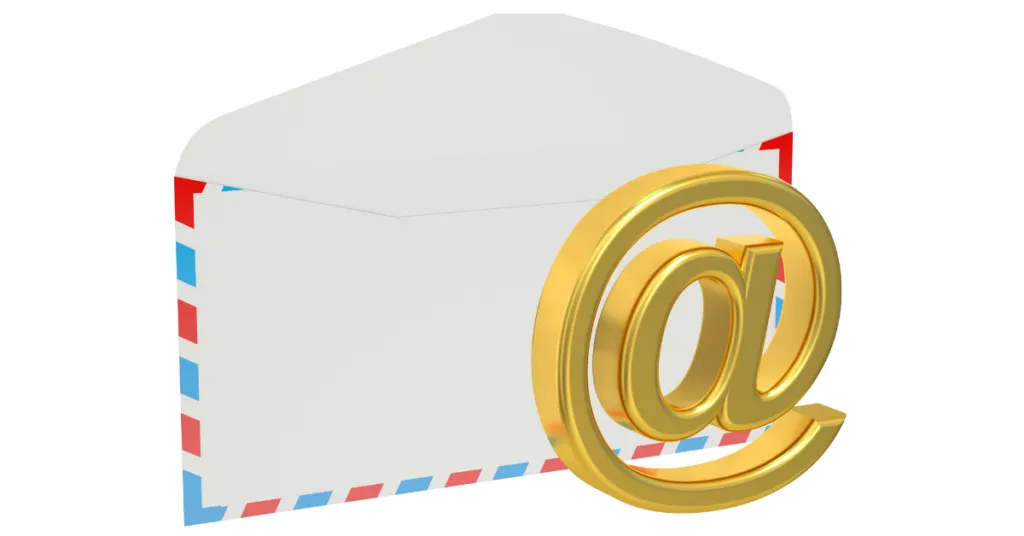
An email domain is the part of your email address that comes after the @ symbol. In the address [email protected], the email domain is truehost.com.
Every email address in the world has one. It tells the email system which server to send your message to. Without it, your email has no destination. It’s like writing a letter without putting a city on the envelope.
The email domain is also what people notice when they receive your message. It’s the part that tells them who you are, where you’re from, and whether to trust what you sent.
Structure of an Email Domain
An email address has three main parts, and each one does a specific job.
Username
This is everything before the @ symbol. In [email protected], the username is “john.” It identifies the specific person or inbox within a domain. You can have multiple usernames under one domain, like [email protected] or [email protected].
Domain name
This is the main part of the email domain, sitting right after the @. In [email protected], the domain name is “truehost.” It identifies the organization or company the email belongs to.
Top-level domain (TLD)
This is the ending after the dot. Common examples are .com, .org, .net, .us, and .io. The TLD often signals what kind of website or organization you’re dealing with.
- A .com is typically a commercial business.
- A .org is often a nonprofit.
- A country-specific TLD like .us tells you the business is based in the United States of America.
Put all three parts together, and you get a complete, working email address. Each part plays a role in making sure your message reaches the right inbox on the right server.
How Email Domains Work
When you hit send on an email, a lot happens in the background, and your email domain is right at the center of it.
Your email app looks at the domain part of the recipient’s address. It then checks a system called DNS ( Domain Name System) to find out which server handles email for that domain.
Think of DNS like a phone book. You look up a name (the domain) and get back a number (the server address). Your email then travels to that server, which delivers it to the right inbox.
This is why DNS settings are so important for email delivery. If your DNS records are missing or wrong, emails sent to your domain never arrive.
Two DNS records in particular do the heavy lifting:
MX records (Mail Exchange records) tell the internet which server receives email for your domain. Without these, no one can email you.
SPF, DKIM, and DMARC records are security records that prove your emails are legitimate. They tell the receiving servers, “Yes, this email really came from us.” Without them, your emails are far more likely to land in spam or get rejected completely.
When your email domain is set up correctly with the right DNS records, emails flow in and out reliably. When something is wrong, messages disappear, and you often don’t know why.
Types of Email Domains
Not all email domains are the same. There are two main types, and they create very different impressions.
Free email domains
These are the ones provided by platforms like Gmail, Outlook, and Yahoo. Your address ends in @gmail.com or @outlook.com. These are fine for personal use. They’re easy to set up, free to use, and most people are familiar with them.
But when you use a free email domain for business, it sends the wrong message. Your email address doesn’t match your website. Customers can’t easily tell which business the email is coming from.
And because free email domains are shared by millions of users, including spammers, your messages are more likely to get filtered or flagged.
Custom or business email domains
These use your own domain name…the same one as your website. If your website is truehost.com, your business email is [email protected]. This is called a professional email domain, and it changes how people perceive your business before they even read what you wrote.
A professional email domain makes your business look established. It keeps your branding consistent across your website and your emails. And because you control the domain, you can set up proper security records to protect your deliverability and your reputation.
Why an Email Domain Is Important
Your email domain does more work than most people realize. Here’s what’s riding on it.
It shows professionalism and builds trust. When a customer receives an email from [email protected], it matches the website they just visited. It confirms they’re talking to the right company.
A free email address creates a gap between your website and your communication, and customers notice that gap.
It helps your emails reach the inbox. Free email domains are used and abused by spammers constantly. When you send from one, you share that damaged reputation. Email providers treat free addresses with more suspicion.
With a custom email domain and proper DNS records set up, your emails carry a clean reputation that you control.
It protects your business. A custom email domain lets you set up authentication records, SPF, DKIM, and DMARC, which make it much harder for scammers to fake your email address. Without these, someone could send a phishing email pretending to be you, and your customers would have no way to tell the difference.
A properly configured email domain closes that gap.
It scales with your team. With a custom email domain, you can create addresses for every person and role in your business. support@, sales@, info@, billing@, all under your brand. You manage them from one place, you control access, and when someone leaves, you close their account cleanly.
Choosing the Right Email Domain
Getting your email domain right from the start saves you a lot of headaches later. Here’s what to keep in mind.
Match your email domain to your website domain. If your website is yourbusiness.com, your email should be [email protected]. Anything else creates a mismatch that customers notice, and that weakens your brand.
Keep the domain name short and easy to spell. Long or complicated domain names are hard to say out loud, hard to type correctly, and easy to forget. Aim for something clear and direct that reflects your business name.
Use a .com if you can. It’s still the most recognized and most trusted TLD worldwide. If .com isn’t available, a relevant country-specific TLD like .co.ke or .co.uk works well for local businesses.
Avoid numbers and hyphens in your domain name. They make the domain harder to remember and harder to say in conversation. Yourbusiness.com is always cleaner than your-business2.com.
Set up your security records right away. As soon as you have your domain, set up your MX records, SPF, DKIM, and DMARC. These protect your deliverability and your reputation from day one.
Don’t let your domain expire. Set it to auto-renew. If your email domain expires, your emails bounce, and your website goes offline, often without warning. It’s an easy problem to avoid and a painful one to deal with.
At Truehost, we handle all of this with you. When you register a domain with us, we walk you through setting up your business email and configuring your DNS records correctly.
We include business email accounts with our hosting plans, so you get your website and your professional email domain set up in one place, without juggling multiple providers.
Conclusion on Email Domain
An email domain is the part of your email address after the @ symbol. It carries more weight than most people give it credit for. It directs your messages to the right server, shapes how customers see your business, and protects your emails from spam filters.
Choosing a custom email domain that matches your website is one of the simplest ways to look more professional and communicate more reliably.
At Truehost, we make it easy to get your domain and business email set up together, fast. Start at Truehost.com →